
Why Has My Pension Gone Down

So, you’ve just logged into your pension portal, expecting to see a number that makes you feel like a financial genius—maybe one day, you’d retire to a beach with a piña colada shaped like a swan. Instead, the screen blinks back a figure that looks more like the change you’d find under a couch cushion. Welcome to the club, my friend—you’ve just discovered that your pension has gone down, and no, it’s not because the pension gnomes are on strike.
First, let’s get one thing straight: you did not mess up. Unless you accidentally invested your entire nest egg in a company that makes fidget spinners for cats—in which case, we need to talk—this drop is probably not your fault. Pensions are basically a big, complicated soup, and sometimes the stock market decides to throw in a jalapeño that makes everyone cry.
The Stock Market: A Rollercoaster You Never Wanted to Ride
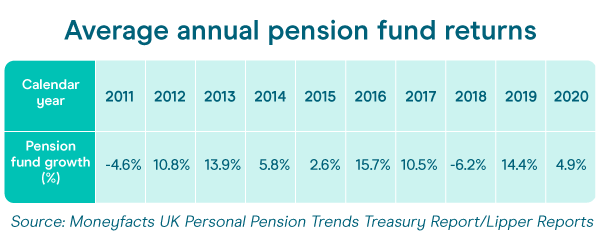
The most obvious culprit is the stock market, which has the emotional stability of a toddler on a sugar high. One day it’s soaring, and the next it’s taking a nap in the mud. Your pension fund is likely invested in a mix of stocks and bonds, and when those stocks decide to do a belly flop, your balance follows suit.
Must Read
Here’s a surprising fact: pension funds typically invest about 60% in stocks for growth, but that also means 60% exposure to the market’s tantrums. In 2022, the S&P 500 fell by nearly 20%—and guess who joined the pity party? Your pension. So no, it’s not personal; the entire economy is just having a bad hair day.
Interest Rates: The Unsexy Villain
Now, let’s talk about interest rates—the financial equivalent of a tax audit: boring, but devastating. When central banks raise interest rates to fight inflation (like the Bank of England did in 2023), bond prices fall. And since your pension holds a lot of bonds, that drop hits your pot like a brick through a window.
Imagine this: you buy a bond that promises 2% interest. Suddenly, new bonds offer 5% interest. Your old bond is now as popular as a soggy biscuit at a tea party. Poof—its value plummets, and so does your pension balance. This is not a glitch; it’s math with a mean streak.
The Inflation Monster
Even if your pension number looks the same, inflation can make it feel like it’s shrunk. You know that feeling when you buy a bag of chips, open it, and find it’s mostly air? That’s inflation, but for your retirement. Inflation in the UK hit 11.1% in October 2022, meaning your £100 today only buys what £89 bought the year before.
Your pension doesn’t always keep up with that nonsense. Some pensions are “defined contribution” plans, where you and your employer chip in, but the final amount depends on investment returns—and if inflation outruns those returns, you’re effectively losing money while standing still. It’s like running on a treadmill that someone secretly set to “downhill.”

Fees: The Silent Wallet Snatchers
Here’s a fun fact: pension fees can eat up to 1% or more of your pot each year. That sounds small, like a single sneeze at a library. But compound that over 30 years, and you’ve lost a hilarious amount of money. One study found that a 1% fee could reduce your final pension by 25%. Yes, you read that right—a quarter of your future beach house just walked off with the management company.
Check your annual statement. Look for “annual management charge” or “platform fee.” If it’s higher than 0.75%, start asking questions—or at least give your pension provider a stern glare through the laptop screen. They won’t see it, but it’s the principle.
The Economic Cycle: Not a Bicycle
Pensions are also tied to the economic cycle—a fancy way of saying “the economy has mood swings.” When the economy slows down, companies earn less, lay off people, and pay fewer taxes. That can reduce the value of your pension fund, especially if you’re in a “defined benefit” plan where your payout depends on your employer’s health.
For example, many corporate pension funds in the UK have massive deficits—they owe more than they have. The Pension Protection Fund reported a £190 billion deficit in 2023. That’s billion with a B, which is a lot of zeros and a lot of sleepless nights for actuaries. Don’t worry, though; the government steps in to protect most of your money, but it’s still a bumpy ride.
Your Employer Might Be a Party Pooper
Sometimes, your pension drops because your employer decides to contribute less or change the terms. This is rare, but it happens—like that friend who “forgets” to pay for their round at the pub. Auto-enrollment requires at least 3% from them, but they can legally reduce it in some circumstances. Check your contract. If you see “minimum contribution,” it’s code for “we’re doing the bare minimum.”
Pro tip: never assume your employer loves you enough to max out their contribution. They might, but it’s safer to treat them like a cat: they’ll do what they want, and you’re just along for the ride.
What Can You Do? (Besides Panic)
First, do not panic-sell. Selling your investments when they’re down is like selling your umbrella in the middle of a rainstorm—wet and very stupid. Markets recover over time; the average bear market lasts about 9 months, while bull markets run for years. Historically, the stock market has returned about 7% per year after inflation, so patience is your best friend.
Second, check your fees and switch providers if they’re robbing you. You can move your pension to a low-cost index fund—think of it as moving from a fancy restaurant to a good food truck. Same food, fewer tears. Sites like MoneySavingExpert have guides to do this, and it takes less time than finding your lost keys.
Finally, consider increasing your contributions by just 1%. It won’t buy you a yacht, but it can add thousands to your pot over 20 years. Think of it as a “future you” tip jar. And if all else fails, remember: you can always work until you’re 85. That’s a joke. Mostly.
So the next time your pension goes down, don’t scream. Just remember: it’s probably the stock market having a tantrum, interest rates being jerks, or fees nibbling away like financial mice. Stay calm, stay invested, and maybe start a side hustle selling cat fidget spinners. You never know—it could be the next big thing.