
Who Invented Kettle Corn
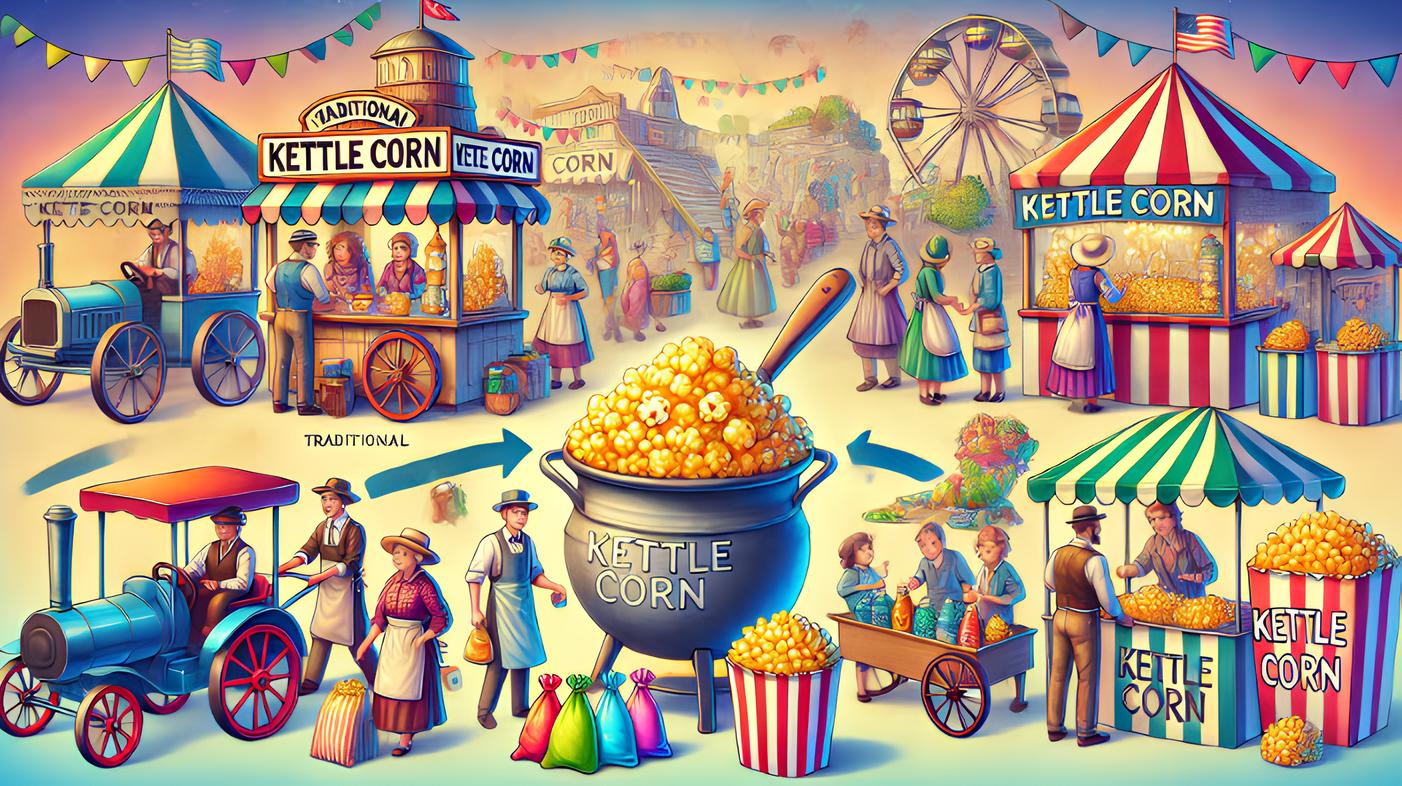
We’ve all been there. You’re at a farmers’ market, a county fair, or a weekend flea market, and the air shifts. The scent of sugar, hot oil, and popped corn wraps around you like a warm blanket. Your hand reaches for the bag almost subconsciously, and you know—it’s kettle corn time. But who do we actually thank for this sweet-and-salty masterpiece? The answer is as charming as the snack itself.
The Accidental Alchemist
Contrary to popular belief, kettle corn is not a modern invention. It wasn’t dreamed up by a trendy artisanal snack company in Brooklyn. The true origin story points to 18th-century America, specifically to the Pennsylvania Dutch (which is a misnomer, as they were actually German settlers). These resourceful farmers needed a portable, non-perishable snack for long days in the field or trips to town.
The real hero is likely an anonymous housewife or farmer. They realized that by cooking popcorn in a cast-iron kettle with a little oil and a sprinkle of sugar, they could create a treat that was both sustaining and addictive. That’s right: no single person holds the patent. Kettle corn was a folk invention, born from necessity and a love of flavor.
Must Read
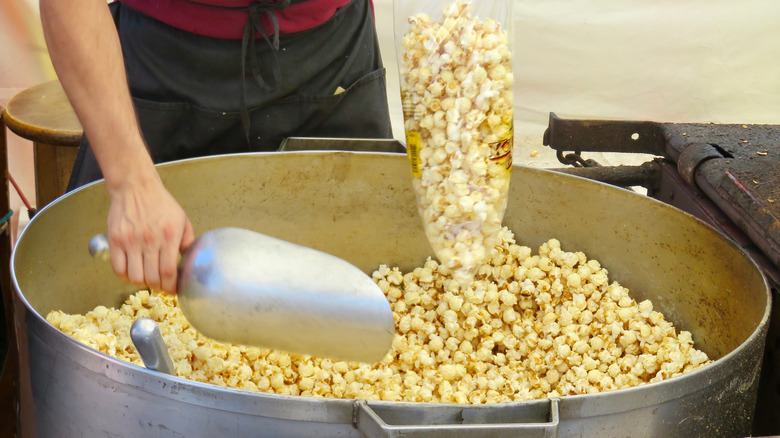
We do know that by the 1800s, traveling vendors were selling it at fairs and circuses. They used large, hand-cranked kettles over open flames—exactly like the setup you see at retro-themed events today. The process was a spectacle, and the smell was the best marketing tool ever created.
The Science of the Sweet Crunch
Why does kettle corn taste so much better than regular popcorn? It’s all about the temperature dance. Regular popcorn pops at around 350°F. Kettle corn? It’s cooked lower and slower, usually around 325°F. This allows the sugar to melt and caramelize before the kernels pop, creating that fragile, glass-like shell.
The classic 70/30 ratio is the secret handshake of the snack world. That’s 70% salt to 30% sugar in most traditional recipes. It creates a perfect umami-sweet balance that keeps your hand moving from bag to mouth in a trance. The cooling process is equally crucial; if you bag it too hot, the steam will make it sticky and soft.
Fun fact: In the Midwest, where kettle corn is practically a food group, there’s an unwritten rule. The best kettle corn is always cooked in a copper kettle. Copper distributes heat more evenly than iron, preventing burnt sugar spots. Copper kettles are why the pros get that uniform, golden tan.
Kettle Corn’s Cultural Cousins
Kettle corn isn’t an island; it’s part of a global family. In Japan, they have karinto, a deep-fried, caramel-coated dough that hits the same sweet-salt notes. In Mexico, you’ll find palomitas con chile y limón—popcorn with chili and lime, which is the savory, spicy cousin. And let’s not forget Cracker Jack, which basically took the kettle corn concept and added a prize.
The modern revival of kettle corn is a direct result of the farmers’ market boom in the late 1990s. As people craved a return to “real” food, vendors dusted off their great-grandparents’ kettles. It was a perfect storm: nostalgia, craftsmanship, and a flavor profile that toddlers and grandparents can agree on.
Pop culture loves it, too. Remember the iconic scene in Little Women (2019) where Jo and Laurie share a bag at the fair? That’s kettle corn. It’s the snack of gentle chaos—whimsy, warmth, and a little bit of mess. It’s also a proven fact that people buy more kettle corn when it’s raining. The warm, sweet smell cuts through humidity like a hug.
Practical Tips for the Home Popper
You don’t need a copper kettle to nail this at home. You just need a heavy-bottomed pot (a Dutch oven works perfectly), some coconut oil (it has a high smoke point and adds subtle sweetness), and fine, superfine sugar. Regular granulated sugar works, but superfine dissolves faster and reduces bitterness.

Here is the pro move: swirl, don’t stir. When you add the sugar to the hot oil, swirl the pot gently to distribute it. Aggressive stirring can crack the kernels or create sugar clumps. And for the love of good snacks, taste a piece before salting—the sugar may be enough, especially if you used salted oil.
For the ultimate hack, try the half-batch method. Pop half your kernels, then add the sugar and the rest of the kernels. This ensures the sugar caramelizes without scorching the first batch. The result is a deeper, more complex flavor that tastes like a state fair in your living room.
A Reflection for the Daily Grind
So, the next time you grab that brown paper bag, take a second. You’re holding a piece of American folk history. You’re tasting the ingenuity of someone centuries ago who had a kettle, some corn, and a hunch that sweet and salty are better together. It’s a reminder that the most beloved things in life aren’t designed by committees—they are evolved by people who just wanted to make a Tuesday better.
Kettle corn is proof that perfection often comes from accident, not precision. It’s the snack of forgiving your mistakes. Burnt the bottom a little? That’s called “caramel depth.” At a farmers’ market, they call that an extra dollar. At home, you call it a learning experience. And honestly? It still tastes pretty great.
So live a little. Buy the big bag. Let the sticky-sweet residue stick to your fingers. It’s the taste of a tradition that no one invented, but everyone owns. And in a world that often feels too salty or too sweet, kettle corn is the perfect middle ground—just like life is meant to be.