
What Happens At The End Of Wuthering Heights
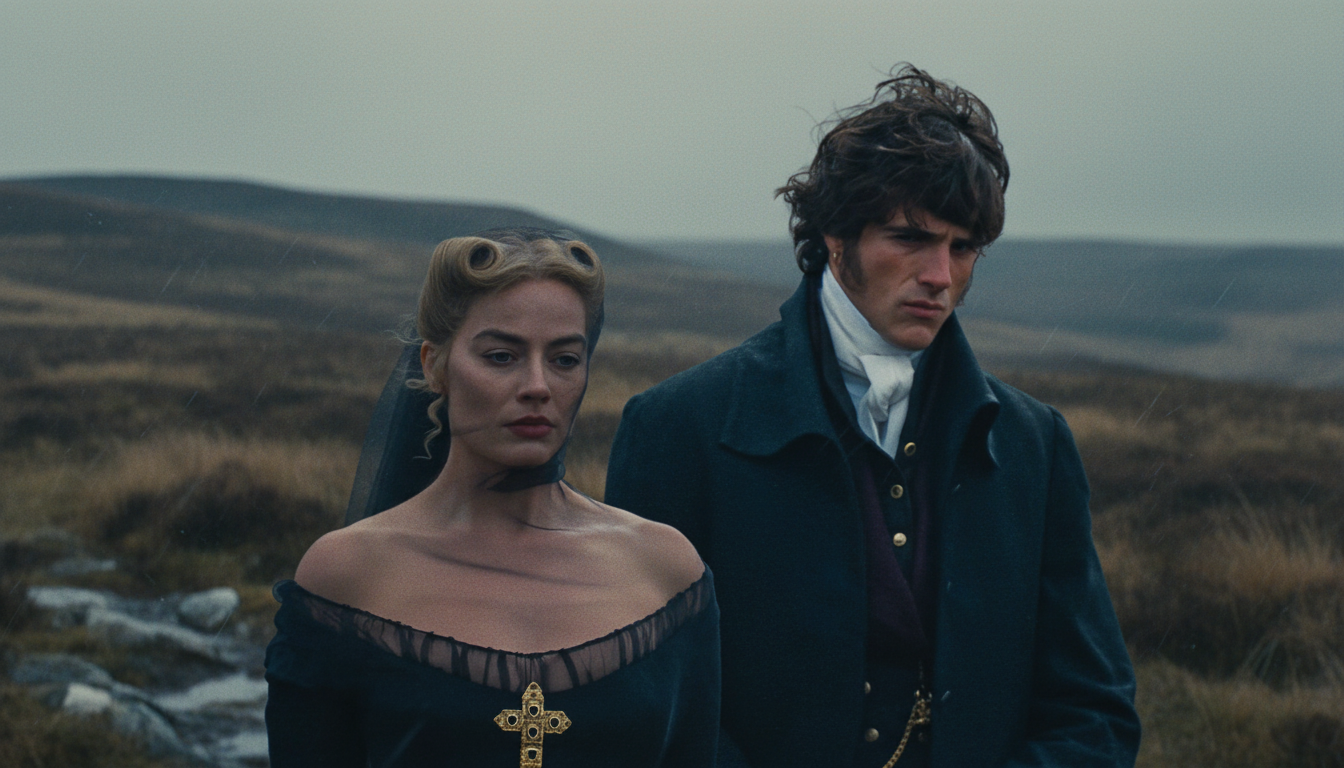
Okay, be honest. You’ve probably heard that Wuthering Heights is a “dark, gloomy book” full of howling winds and miserable people. And yes, that’s partly true. But here’s the secret nobody tells you: the ending is surprisingly uplifting. Seriously. It’s like the literary equivalent of a storm finally breaking into sunshine.
The Big, Ghostly Finale
So, what actually happens? After decades of terrible decisions, revenge, and a whole lot of rain, the main characters are mostly dead. Heathcliff, the brooding anti-hero, dies too—but not from a duel or poison. He just stops eating and stares at a window until he expires. Sound depressing? Hang on.
Here’s the twist: the two lovers, Heathcliff and Catherine, are finally united in death. Villagers claim to see their ghosts walking the moors together, hand in hand. No more screaming, no more betrayal—just two wild souls running free across the heather. It’s weirdly romantic, isn’t it?
Must Read
Why This Should Make You Smile (Yes, Really)
Let’s be real: a ghostly reunion sounds like a horror movie. But Brontë flips that. The ending suggests that some bonds are so fierce that not even death can break them. That’s powerful. It’s like the universe finally saying, “Okay, you two crazy kids, you win.”
Then there’s the next generation. Young Cathy and Hareton—the children of the original chaos—end up falling in love. They’re not bitter or vengeful. They laugh, they garden, they plan a future together. After all that darkness, life simply carries on, brighter than before. Isn’t that a relief?
The Moors Don’t Care About Your Drama
Here’s the thing: the Yorkshire moors in the book are wild and unkillable. The weather doesn’t care about human feuds. By the end, nature literally reclaims everything. Heathcliff’s grave is overgrown with grass and flowers. The wind still blows. Life goes on, messy and beautiful, exactly as it should.
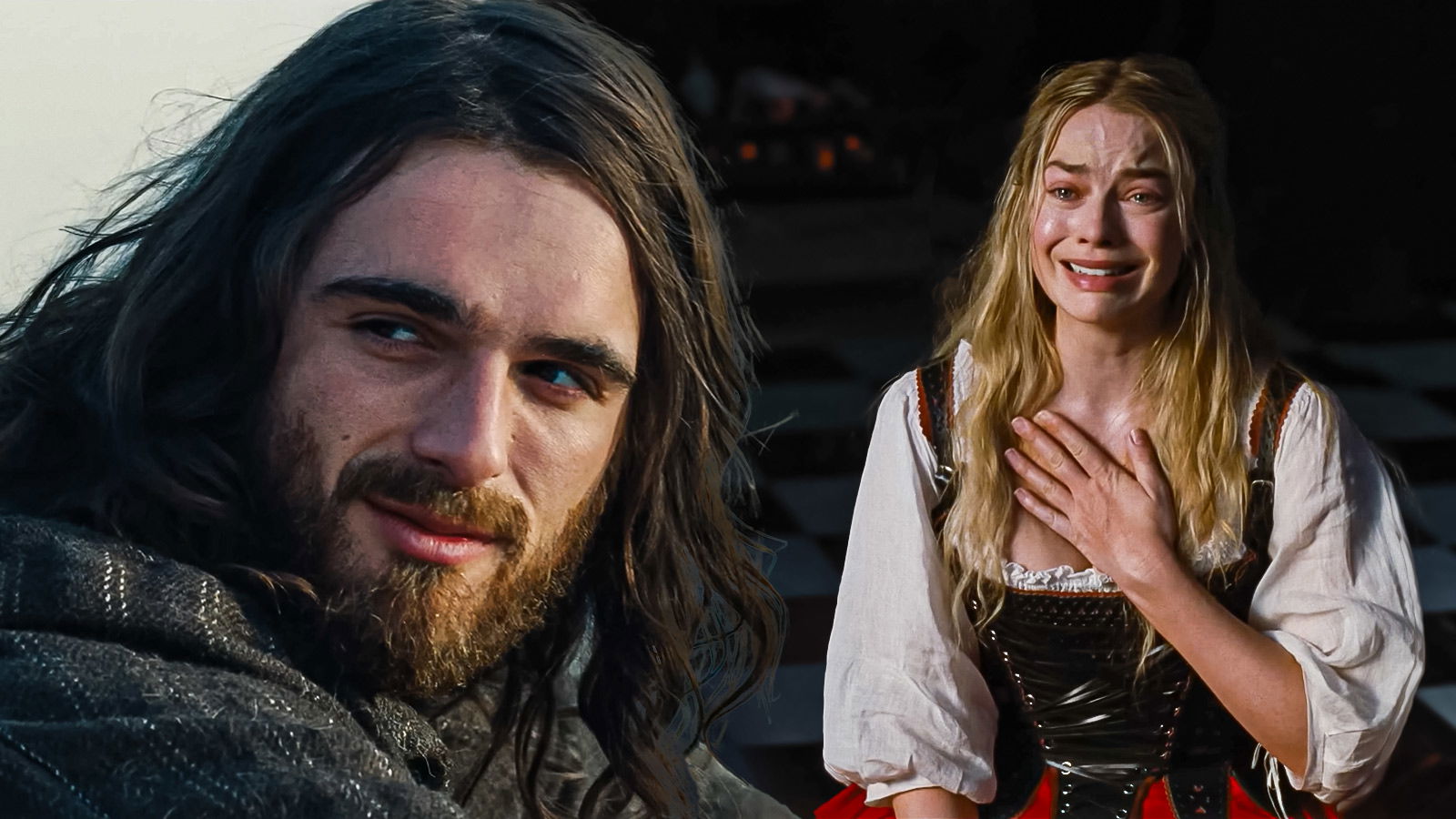
That’s a liberating thought. Your drama? It’ll pass. The world is bigger than your worst day. The novel’s final image is of a peaceful, windswept landscape. No curses. No ghosts (well, maybe happy ghosts). Just the moors, doing their thing.
What This Teaches Us About Having Fun
I know—Wuthering Heights isn’t exactly a beach read. But the ending is a masterclass in acceptance. It says: Don’t hold onto grudges forever. Let the storm pass. Find joy in the next generation. And maybe, just maybe, take a walk in the rain.
Think about it: if you were Heathcliff, would you rather starve in a haunted house, or go outside and live? The book’s ending is a gentle nudge to choose living. The characters who survive are the ones who choose kindness over revenge. That’s a pretty good motto for a Tuesday, right?
Your Takeaway for Today
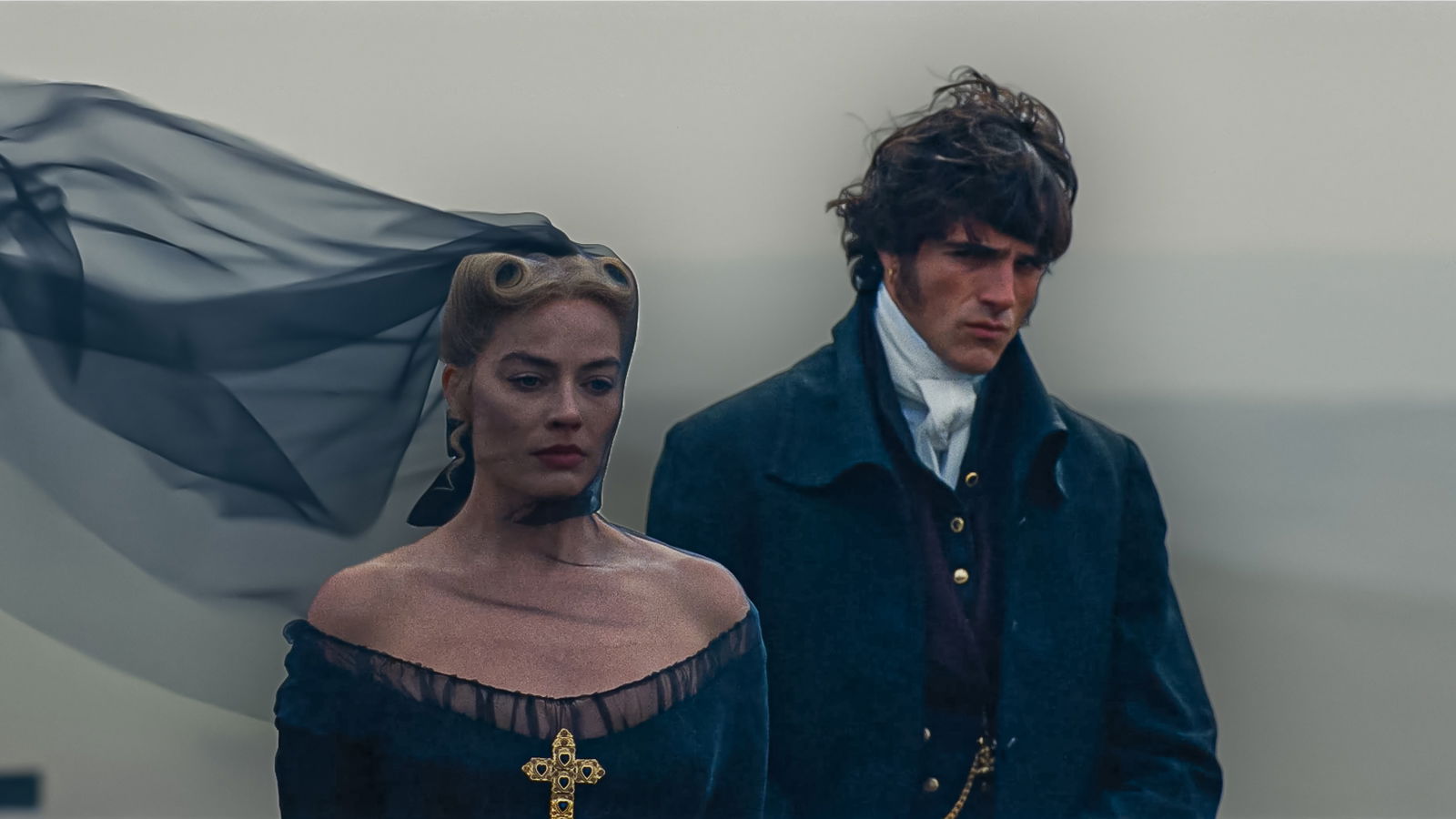
So, to sum up: the end of Wuthering Heights is weird, spooky, and ultimately hopeful. Two lovers finally get their peace, and two young people get a fresh start. The moors stay wild, and the world keeps spinning. It’s like Brontë is winking at us and saying, “See? Even the darkest story has a sunrise.”
Next time you’re stuck in a gloomy mood—or a gloomy book—remember that. Endings can be surprising. They can be gentle. They can even be fun. So go ahead, read the last chapter again. Or better yet, read the whole novel. You might just find yourself smiling at the final line, the way I do every time.
And if you don’t believe me? Head to a windy field at dusk. Close your eyes. Listen closely. You might just hear two old ghosts laughing. Now that’s inspiring, don’t you think?