
Money Transder By Email

Okay, let’s talk about something we all secretly do but never really stop to appreciate. I’m talking about sending money by email. You know, that moment when you owe your friend for pizza and just… zap it into their inbox. It feels like magic, right? But also a little bit like you just put cash in a text message. Which is insane if you think about it.
I remember the first time I did it. I was petrified. Absolutely sweaty-palmed petrified. What if I typed the email wrong? What if my money floated off into the digital void, never to be seen again? But no, it arrived in seconds. My friend got a little notification on her phone, and boom—I was debt-free and she was richer by one artisanal flatbread.
The Secret Sauce (How It Actually Works)
So how does this sorcery work without a wizard involved? It’s surprisingly simple. You sign up for a service like PayPal, Venmo, or Zelle. Then you link your bank account or debit card to your email address. That email address becomes your financial fingerprint.
Must Read
When you hit “send,” you aren’t really putting $20 into an envelope and dropping it in a virtual mailbox. Heaven forbid. Instead, the service acts like a very nervous, very fast middleman. It takes the money from your account, holds it for a second, and then shoves it into your friend’s account. All because you typed their email correctly.
Think of it like this: your email is the address on a magical FedEx package. But instead of a box of socks, it’s a box of cash. And the delivery man is a robot who never sleeps. Ever. That should comfort you, or terrify you. I choose comfort, because I like getting paid for selling my old couch.
Is It Safe? (Spoiler: Mostly, But Don’t Be Dumb)
Here’s the question everyone whispers: “But is it safe?” In the most dramatic voice possible. The answer is mostly yes, but you have to use your brain. Please use your brain. I once saw someone send $500 to “TotallyNotAScam@cheapstuff.ru.” Don’t be that person.
The big players use something called encryption. It’s just a fancy word for “your money is wearing a secret invisibility cloak while it travels.” They also have fraud protection, so if a bad guy somehow steals your email and sends money, you can usually get it back. But again, double-check that email address. One wrong letter and you’re paying for “Hannah’s” car repair instead of “Hanna’s” birthday cake. Big difference.

A golden rule: only send money to people you’d trust to hold your purse. Or your dog. Or your leftovers. If it feels weird, it probably is weird. Trust your gut. Your gut knows more about finance than your impulse buy does.
The Drama of “Pending” and “Instant” Transfers
You know the part that drives me absolutely bonkers? The waiting game. Some transfers are “instant.” You blink and the money is there. Others get stuck in a place called “Pending.” Pending what? Are they stamping the digital money with a little ink? Is a banker reading it aloud to a committee?
It usually takes 1-3 business days if you’re using a basic bank link. That’s like waiting for a letter in the age of flying cars. Why? Because banks are old, grumpy dinosaurs who don’t like change. They shuffle the money around behind the scenes, like a turtle in a race. But if you pay a small fee? Oh, then suddenly they can run. Funny how that works, right?
Pro tip: if you need the money now, pay the fee. If you can wait, save the $1.99 and buy yourself a coffee. You deserve it for being patient with the banking system.
When Email Money Goes Wrong (And It Will)
Let’s be real for a second. Sometimes it glitches. You’ll get a notification that says “Transaction Declined for Security Reasons.” You’ll panic. You’ll text your friend “MY MONEY IS IN JAIL.” It feels like a personal attack, but it’s usually just the system being overly cautious. Maybe you typed your password three times wrong because you were eating a sandwich. It happens.
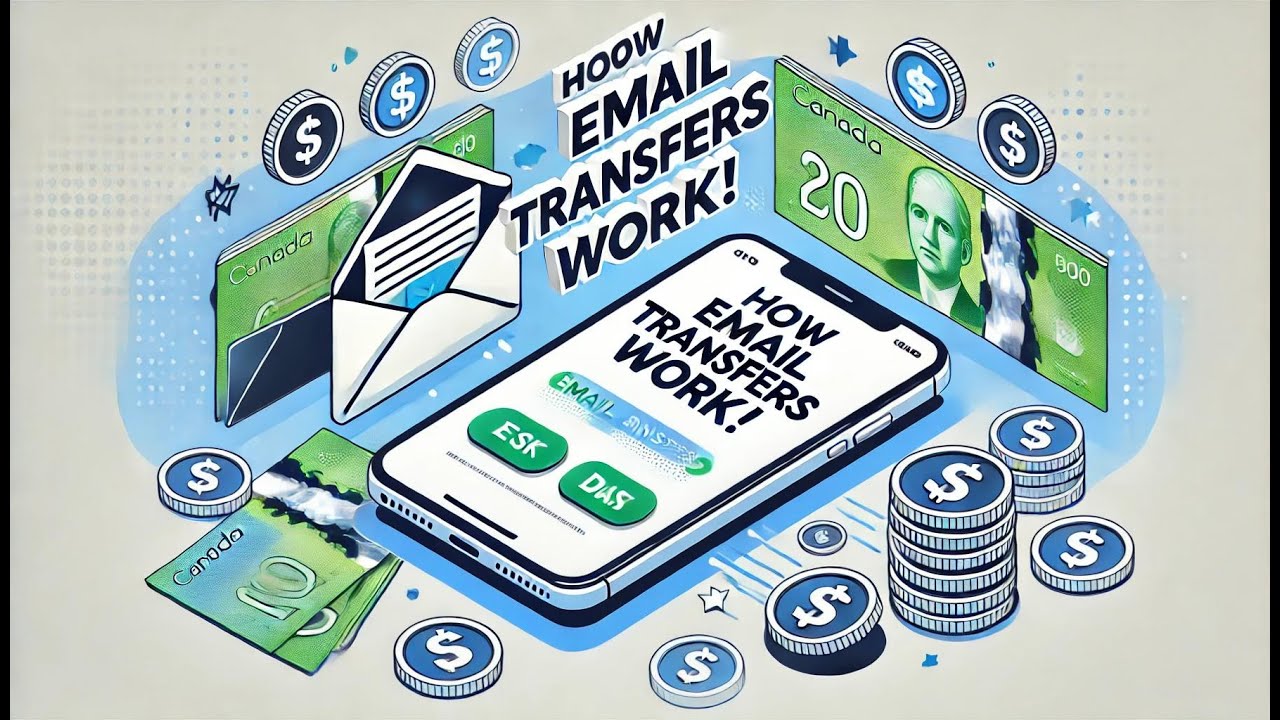
Then there’s the biggest horror story: the phantom split. You mean to send $40, but you accidentally add an extra zero. $400 for a coffee and a bagel? That’s a heart attack in a wallet. Always, always read the amount twice. Maybe three times. Your bank account doesn’t find typos funny.
And don’t forget the awkwardness of someone not seeing the email. “Hey, I sent you the money.” “Oh, I haven’t checked my email.” What year is it? Just text them. Use your words. Make sure they know you’ve digitally tossed cash their way.
The Future Is Lazy (And I Love It)
So why do we do it? Why not just use cash? Because cash is heavy and smells like other people’s hands. Ew. Email money is lazy, fast, and socially acceptable. You can pay for a haircut, split a hotel bill, or send your kid $20 for snacks without leaving your couch. You don’t even have to put pants on.
In ten years, we’ll probably laugh at this. “Oh, remember when we used email to send money? How quaint.” But right now? It’s the best thing since sliced bread. Or maybe better. Sliced bread can’t be emailed. Yet. Don’t give the tech guys ideas.
So go ahead. Pay your friend back. Send rent to your roommate. Make it rain (digitally) from your phone. Just triple-check that email, okay? Your future self will thank you. And save me a slice of that pizza you’re buying. You know where to send the payment.