
How To Know Who Owns A Fence

Let’s be honest: fences are the unsung drama queens of suburban life. One day, you’re peacefully trimming your azaleas, and the next, you’re in a silent standoff with your neighbor over a peeling post. So, how do you actually know who owns a fence? It’s less about detective work and more about a mix of local law, property deeds, and a little old-fashioned communication.
The First Clue: Your Property Survey
Your home’s survey—that dusty document from closing day—is your treasure map. It shows exactly where your property lines run, and if the fence sits squarely inside them, it’s yours. Surveys are like the Rosetta Stone of fence ownership, but they can be tricky to read. If you don’t have one, your county’s tax assessor or a quick visit to the land records office can save you a headache.
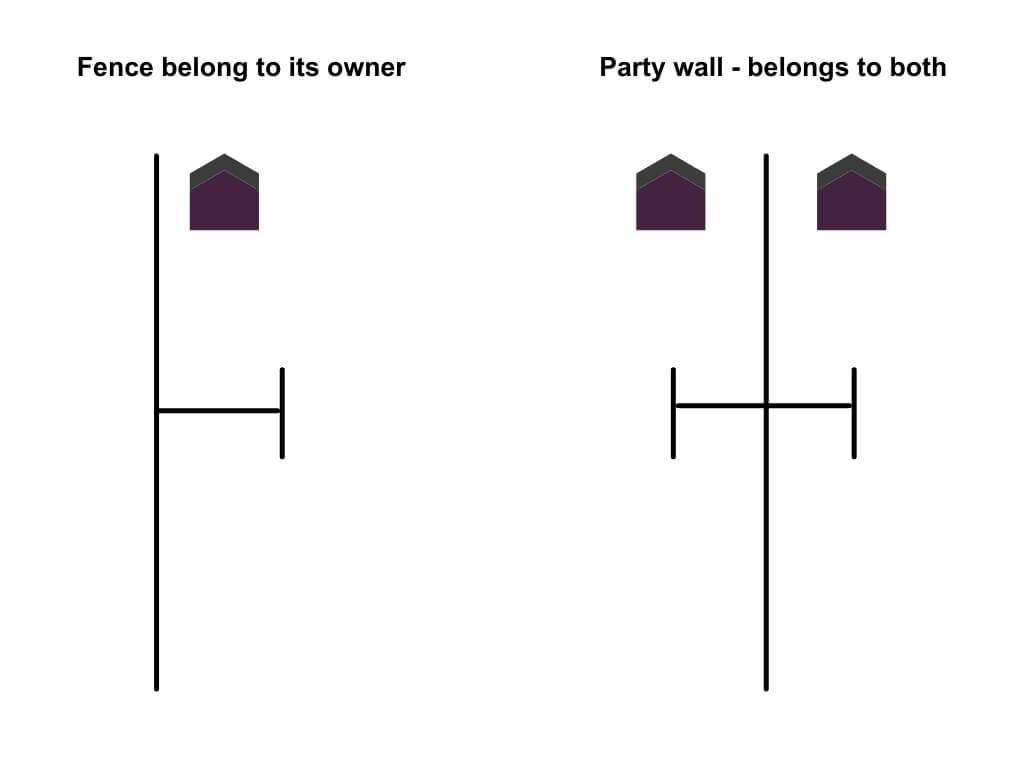
Here’s a fun fact: in many U.S. states, a fence built exactly on the boundary line is considered joint property. That means both you and your neighbor share the cost and the responsibility. It’s like a marriage, but with more nail guns and less romance.
Must Read
The “Good Side” Rule (It’s a Myth, Mostly)
You’ve heard the legend: the side with the rails or the prettier finish belongs to the owner. This is not a legal rule. It’s a decorative preference, not a deed. Many homeowners flip their fences so the “ugly” side faces outward, which can trick you into thinking the neighbor owns it.
Imagine yourself in a big city row house—nobody cares about the ugly side, they just want privacy. Cultural references aside, the “good side” is about aesthetics, not ownership. Always check the survey before you start painting that “ugly” side in protest.
The Written Word: Deeds, HOA Covenants, and Old Notes
Property deeds often include easements or covenants that mention fence responsibilities. Some HOAs have specific rules about who owns what, especially in planned communities. Dig out your HOA handbook—it might be dusty, but it’s gold.
And here’s a pro tip: if your fence was built before you moved in, ask the previous owner. They might have a cryptic note like, “Back fence is Mrs. Gable’s; she’ll never fix it.” That kind of intel is priceless. Real estate agents call this “seller disclosure,” but we call it “neighbor lore.”
What About the “Pin” Test?
Property lines are often marked with metal pins buried at the corners. You can rent a metal detector (or borrow one from your local library tool-lending program) to find them. If the fence aligns with those pins, you’ve got your answer. It’s like a low-stakes archaeological dig.
If you’re feeling extra, hire a land surveyor for about $500. That’s a small price for peace of mind—and for proof to wave at your neighbor when they claim your hedge is theirs. Just kidding… mostly.
The “Midwest Nice” Approach
Before you call a lawyer, try the “over-the-fence” chat. According to a 2019 survey, 67% of fence disputes are resolved with a simple conversation. Walk over with a cup of coffee or a bottle of wine, and say, “Hey, I’m trying to figure out which side of this fence is mine. Can we compare our surveys?”
This is where cultural etiquette shines. In the South, you lead with sweet tea. In the Northeast, you lead with directness. In the Midwest, you bring casserole. Either way, keep it friendly. Fence feuds can last decades—or end in a shared garden project.
Red Flags and Gray Areas
Beware the “statue of limitations” trap. In some states, if a fence has stood in one spot for 10+ years without objection, it can legally become the owner’s property through “adverse possession.” That’s legalese for “possession is nine-tenths of the law.” Yes, you can accidentally lose your fence.
Another gray area: rental properties. If your landlord built the fence, it’s their responsibility. But if the tenant installed a privacy screen? That’s temporary and usually goes with them. Always check your lease for the word “fixtures.”
Practical Tips for the Fence-Curious
- Take photos of the fence from both sides, including any posts or rails. This helps settle “he said, she said” later.
- Talk to your neighbors before you hire anyone. A $2,000 fence replacement should not be a surprise to the person next door.
- Check your city’s fence ordinance online. Many cities regulate height, materials, and setback distances. Violations can bring fines—or a grumpy code enforcement officer.
- Use a Sharpie to mark property lines on a printed satellite view from Google Maps. It’s low-tech but works wonders for visual clarity.
When All Else Fails: Mediation
If you and your neighbor deadlock (pun intended), try a community mediation service. It’s cheaper than court and faster than stewing. Mediation success rates are above 70% for fence disputes. You’ll both walk away with a signed agreement and, hopefully, a still-friendly wave when you take out the trash.
And remember: fences are supposed to make good neighbors, not good enemies. Robert Frost said that—or was it your grandma?
A Final Reflection
Here’s the real takeaway: fences are metaphors for boundaries in all of life. Knowing who owns the fence isn’t just about wood and nails; it’s about knowing where you stand with the people around you. Sometimes, the answer is clear—a survey, a deed, a chat over coffee. Other times, it’s a mystery that teaches you patience and humility. In a world that feels increasingly divided, a simple fence can be a reminder that boundaries don’t have to be barriers. They can be points of connection—if you’re willing to look at them with curiosity instead of suspicion. So next time you’re leaning on that wooden slat, ask yourself: Is this mine? Or is this ours? The answer might just make your day a little friendlier.