
Can You Eat The Skin Of Salmon
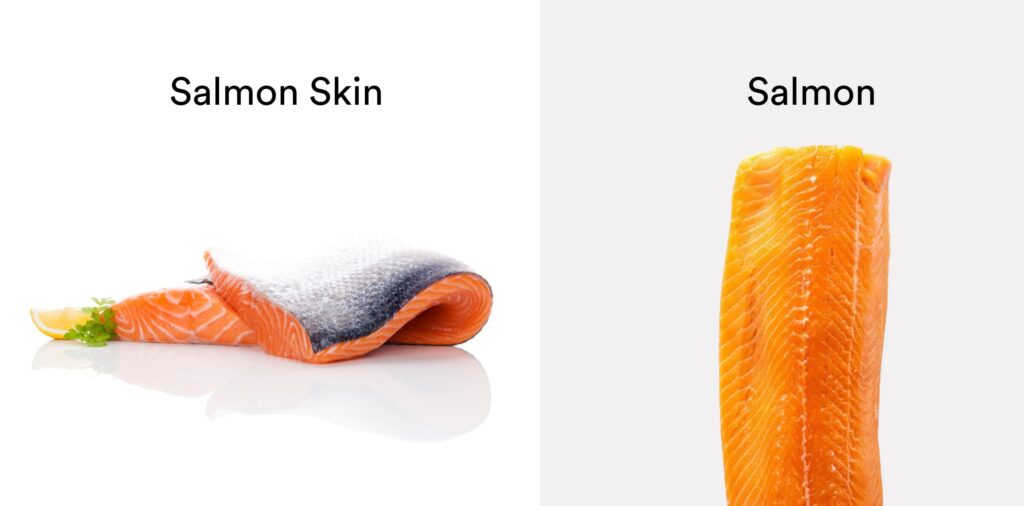
So, you’ve just seared a gorgeous salmon fillet. The skin is crispy, golden, and looks like the world's most delicious potato chip. You pause, fork in hand, and ask the age-old question: Can you eat the skin? The short answer is a resounding yes, unless you’re dining with a grizzly bear, in which case, let them have it.
But let’s be real: that crispy skin is the best part. It’s like the salmon’s little leather jacket, and you’re about to rock it. However, there’s a catch—it has to be cooked properly. Nobody wants a soggy, rubbery, fish-scale-laced nightmare.
The Great Scale Debate
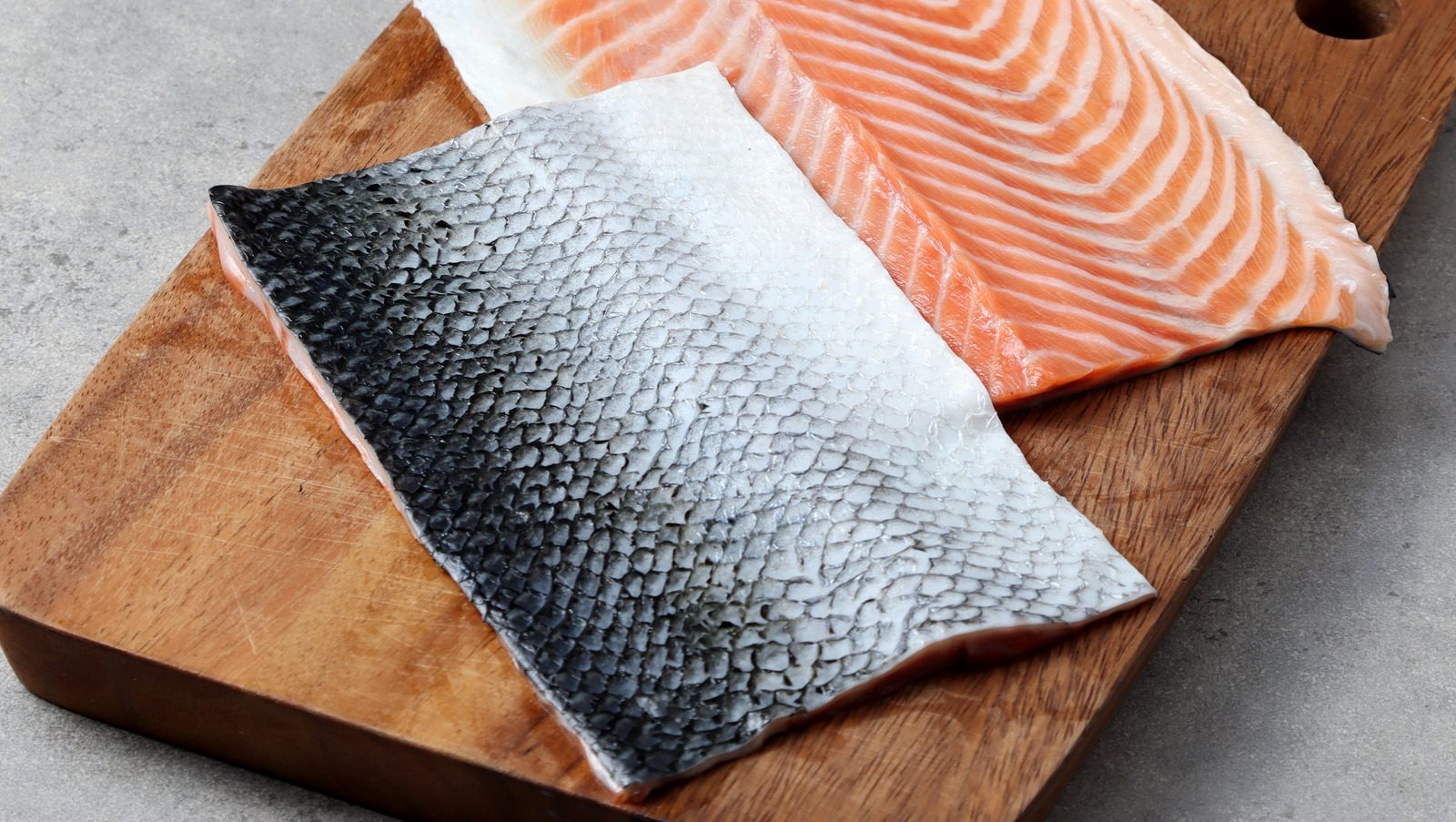
Here’s a fun fact: scales are not food. They’re basically tiny, see-through armor plates that feel like eating crushed glass. If your salmon still has scales on the skin, you must scrape them off. Or, you know, use a knife—don’t panic.
Must Read
Most grocery store fillets come already scaled, but wild-caught ones might still be wearing their battle gear. Give the skin a quick rub with your thumb; if it feels gritty, scrape, scrape, scrape. Trust me, your gums will thank you.
The Health Hype (Or: Why You’re Basically a Superhero)
If you needed a reason besides taste, here it is: salmon skin is packed with nutrients. It’s loaded with omega-3 fatty acids, which help your brain work better—so you can remember where you put your keys. It also has tons of vitamin D, perfect for those of us who live in places where the sun is a rumor.
But wait, there’s more! The skin contains astaxanthin, a powerful antioxidant that gives salmon its pink color. Eating it won’t turn you into a salmon, but it might make your skin glow. You’ll be the shiniest person at the office party. You’re welcome.
The Mercury Myth (Don’t Freak Out)
“But what about toxins?” I hear you whisper, clutching your organic kale. Relax. While it’s true that some pollutants can accumulate in fish skin, the amounts are tiny. A study in the Journal of Food Science found that the benefits far outweigh the risks—unless you’re eating salmon skin for breakfast, lunch, and dinner.
If you’re really worried, stick to wild-caught salmon from clean waters. Farmed salmon is fine, too, but let’s be honest: wild salmon has a better backstory. It probably wrestled a bear once. Eat its skin and absorb that inner strength.
The Cooking Commandments
Now, let’s talk crispiness. The enemy of good salmon skin is moisture. Pat that fillet dry with paper towels like you’re patting a sad puppy. Then, salt it generously—salt is your friend, your confidant, your crispy-wingman.
Heat a pan until it’s smoking hot (not literally, unless you want a fire alarm cameo). Place the salmon skin-side down and don’t touch it for at least four minutes. I mean it—step away. Poking it is a betrayal of trust. You’ll be rewarded with a crackling crust that sounds like autumn leaves underfoot.
Pro tip: cook it at 90% of the way on the skin side, then flip for thirty seconds. The result will make you weep happy, oily tears. It’s science, but also magic.
Skin-Off Or Skin-On? No Contest
Some people (the tragically misguided) ask for skinless salmon. These are the same people who remove the crust from bread or skip the cheese on pizza. Don’t be that person. If a restaurant serves you skinless salmon, politely ask for a refund and a hug.

The skin acts as a protective barrier, keeping the fish moist while cooking. Remove it, and you get a sad, dry piece of protein that tastes like regret. Keep it on, and you get a texture symphony: silky flesh meets crispy crackling. It’s the gastronomic equivalent of a high-five.
The Weird, Wonderful World of Salmon Skin Snacks
Did you know you can eat salmon skin by itself? Yes, like potato chips, but fishier. In Japan, they sell sake no kawa as a crunchy, salty snack. In the U.S., some hipster chefs deep-fry it and sprinkle it with chili powder. It’s ungodly addictive.
Make your own: save the skins after cooking, bake them at 400°F for 10 minutes, and season with salt, pepper, and a tiny bit of sugar. They become crispy, umami bombs perfect for crushing over salads or eating straight from the pan while staring into the fridge. No judgment.
The Final Verdict
So, can you eat the skin of salmon? Absolutely. It’s delicious, nutritious, and makes you look like a culinary daredevil. Just make sure it’s scaled, cooked crispy, and from a reputable source. Don’t eat raw salmon skin—unless you want to play scale roulette with your digestive system.
Now go forth, brave eater, and embrace the crackle. Your taste buds will thank you, your brain will get a little smarter, and you’ll finally have a witty answer for that one friend who always asks, “Wait, you’re eating the skin?” Yes, Karen, I am. And I’m enjoying it.