
When Will Eid Be In 2026
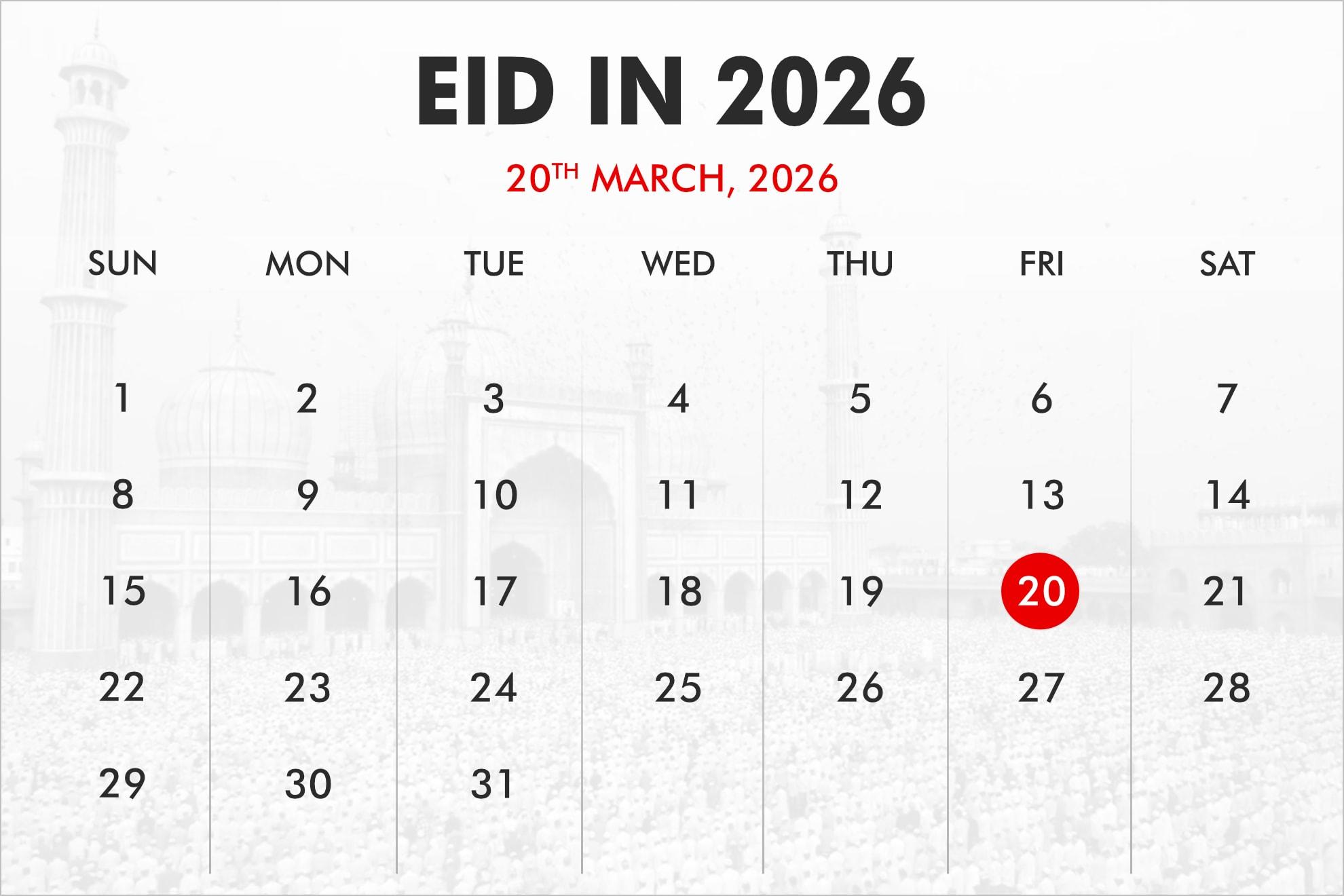
You’re already thinking about it, aren’t you? That post-Ramadan glow, the scent of sheer khurma, and the scramble for the perfect outfit. For Muslims around the world, Eid al-Fitr is a moveable feast—and pinning down exactly when it will arrive in 2026 is part of the fun.
The short answer? Most astronomical calculations point to Sunday, March 22, 2026 as the most likely date for Eid al-Fitr. But hold your horses—that’s just the working theory. The final confirmation depends on the sighting of the new crescent moon, a tradition that keeps the calendar deliciously unpredictable.
Why the uncertainty? The Islamic calendar is lunar, meaning each month begins with the actual sighting of the moon. While scientists can predict the moon’s phases with incredible accuracy, many communities still rely on the naked eye—weather, location, and even a bit of luck play their part.
Must Read
The Astronomy vs. Tradition Dance
Here’s a fun little fact: In 2026, the new moon for Shawwal (the month of Eid) will be born on March 19 at 09:24 UTC. That means on the evening of March 20, the crescent should be visible to the naked eye in parts of South America and the Pacific. For the rest of us, it’s a waiting game.
This creates a classic two-split scenario. Saudi Arabia and many Middle Eastern countries will likely declare Eid on March 21 if the moon is spotted. Other nations, including the USA, UK, and Indonesia, often follow a day later—so mark your calendar for both March 21 and 22.
Pro tip: If you’re planning a big family gathering, book the weekend. In 2026, March 21 falls on a Saturday, and March 22 on a Sunday. You get a built-in holiday vibe even if the dates shift by a day.
Eid al-Adha: The Summer Sibling
Eid al-Adha in 2026 is projected for Saturday, May 30 (again, moon-dependent). This is the “Feast of Sacrifice,” tied to the Hajj pilgrimage. It’s a meatier, more solemn affair—think barbecues, charity, and family road trips.
Here’s a cultural curveball: In many parts of South Asia, Eid al-Adha is called Bakr-Id, and the day is marked by the sounds of sizzling kebabs and the aroma of biryani. It’s a sensory overload in the best way.
Fun fact: The exact date of Eid al-Adha is also determined by the moon. But because it’s based on the Dhu al-Hijjah moon, it’s slightly easier to predict—and usually falls within a day or two of the calculation.
How to Prepare Without Going Crazy
Stay flexible. The biggest mistake? Planning a massive Eid brunch for a specific day, only to find out the moon said “nope.” Instead, keep your Saturday and Sunday free. Let the moon do its thing while you stay chill.
Go digital: Download a reliable moon-sighting app like IslamicFinder or MoonCalc. They’ll send you push notifications when the crescent is confirmed in your region. It’s like a weather alert, but with more Allahu Akbar energy.
And for the love of malai kofta, avoid the last-minute shopping. Start buying your Eid gifts—clothes, toys, or cash envelopes for kids—at least two weeks before Ramadan ends. You’ll thank yourself when the moon perfect harks in.
Cultural Nuances You’ll Love
In Egypt, Eid morning smells of kahk—buttery cookies dusted with powdered sugar. Families queue for hours at bakeries to get their fix. In Turkey, it’s called Ramazan Bayramı, and children go door-to-door kissing elders’ hands for candy and pocket money.
In Pakistan and India, the night before Eid is called Chand Raat—moon night. Markets stay open till 2 AM, women get henna designs on their hands, and everyone buys bangles. It’s the consumerist Christmas Eve of the Muslim world, and it’s electric.
And here’s a secret: No one actually knows the exact date until 24 hours before. That suspense is part of the charm. Embrace the chaos. It’s a global game of “wait and see” with 1.8 billion players.

Practical Tips for the 2026 Eid
If you’re traveling for Eid, book refundable tickets. Airlines are used to the lunar shuffle, but refundable options save your wallet if the dates shift. For domestic trips, aim for Friday evening departures—most offices give the day off for Jumu’ah anyway.
For hosts: Prep your freezer now. Freeze samosa fillings, cookie dough, and marinades in February. That way, when the moon surprises you, you’re just a thaw away from a feast. Your future self will send you a virtual high-five.
And if you’re a non-Muslim friend reading this? Consider sending an “Eid Mubarak” text on both March 21 and 22. You’ll be seen as thoughtful and culturally savvy. Bonus points if you bring a box of dates.
A Little Reflection for Your Daily Life
Here’s the thing about waiting for the moon: It teaches you presence. We live in a world of instant answers—Google knows everything, but it doesn’t know when Eid will be until a group of people on a rooftop squints at the horizon. That uncertainty forces us to slow down.
Maybe that’s the real gift of a moveable holiday. It reminds us that not everything can be scheduled, booked, or predicted. Sometimes, you just have to look up at the sky and trust the moment.
So, when will Eid be in 2026? Probably March 22, but truly, it will be when you see the crescent with your own eyes—or when your auntie’s WhatsApp group goes wild with emojis. Mark your calendar, but keep your heart open.