
Washing Machine Drain Pipe Height
Let’s be honest: most of us don’t think about our washing machine drain pipe until it stages a rebellion. One moment you’re folding socks, the next you’re standing in a puddle of sudsy water. The culprit is often a simple, overlooked detail: the height of that humble drain hose.
Getting the height right is the difference between a peaceful laundry day and a minor indoor flood. Think of it as the Goldilocks zone for your appliance. Too low, and you get siphoning. Too high, and your machine works too hard, or simply refuses to drain.
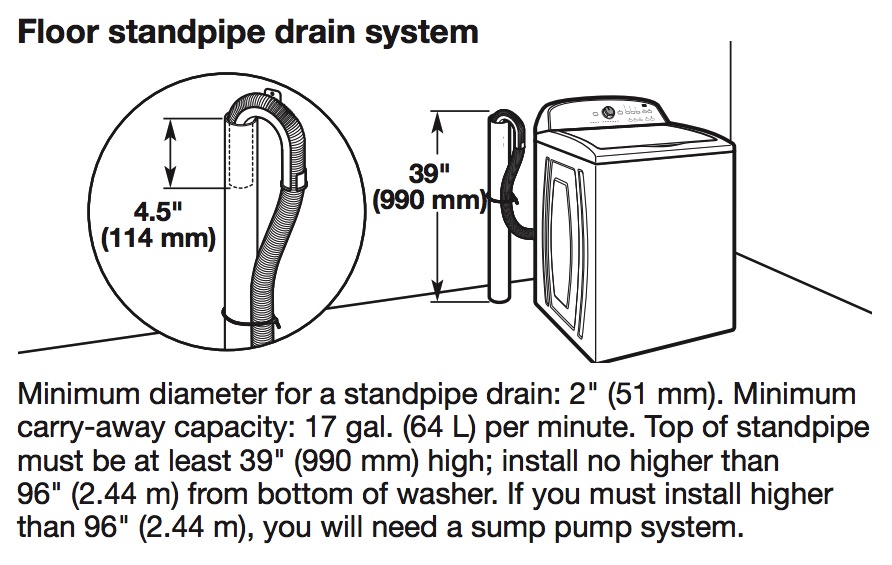
The magic number that plumbers and appliance manuals whisper is 30 to 48 inches from the floor. This is the sweet spot for most standard washing machines, keeping gravity on your side without causing a backflow disaster.
Must Read
Why your drain pipe height actually matters
If the drain hose is too low, say tucked behind the machine on the floor, you invite the siphon effect. Dirty water gets sucked back into your pristine drum mid-cycle, which is as gross as it sounds.
If it’s too high, your pump has to struggle like a weightlifter with a heavy barbell. The machine might stop mid-spin, error codes flash, and you’re left guessing if you need a $300 repair or just a longer hose.
There’s a cultural nod here to the classic Laundry Room Feng Shui—a concept my aunt swears by. She insists that a properly elevated drain pipe keeps the “energy” (and the water) flowing in the right direction. I just call it smart physics.
The anatomy of a perfect setup
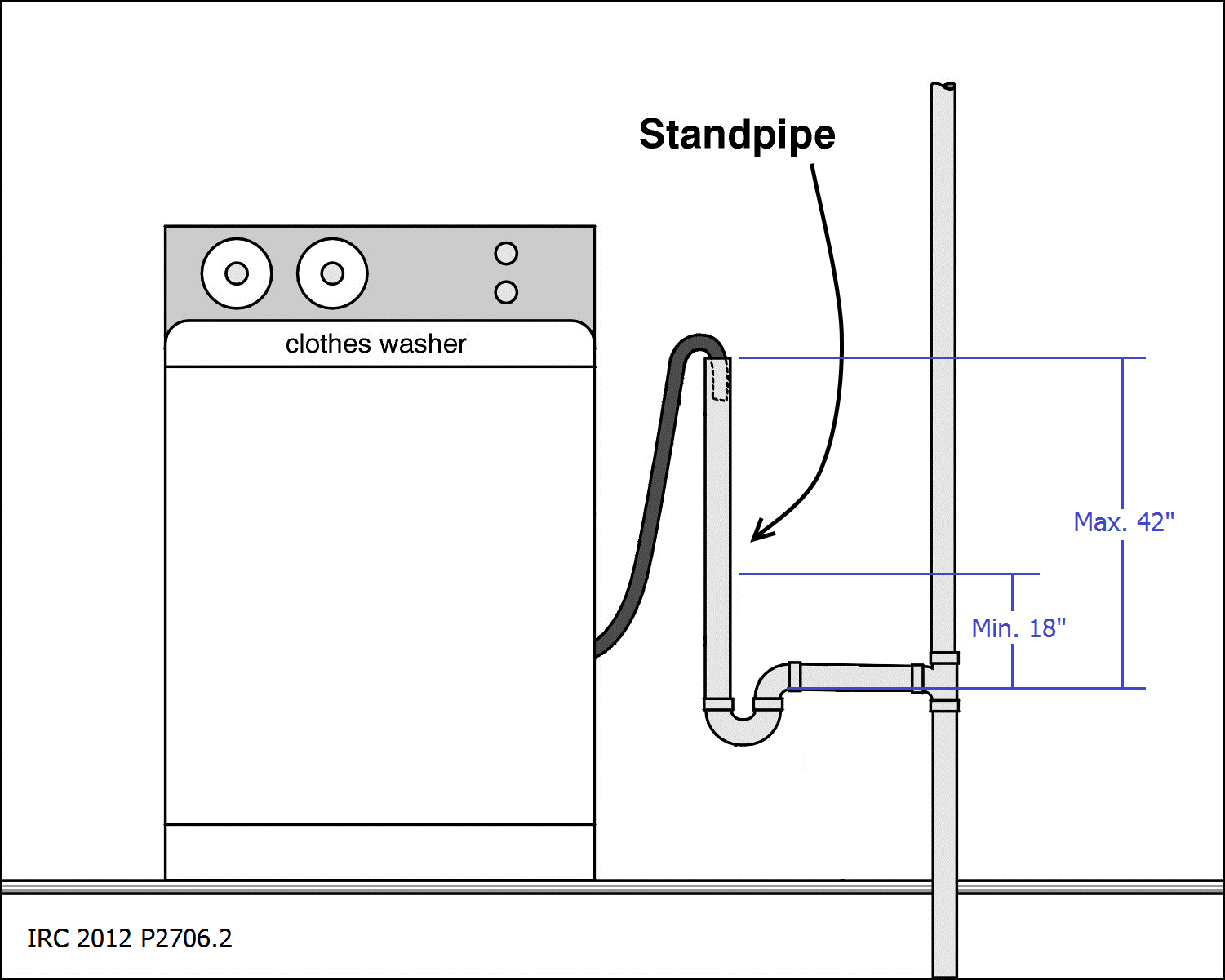
You don’t need a PhD in plumbing. You just need a few simple checks. First, locate your drain pipe or standpipe—it’s usually a vertical PVC pipe behind the machine.
Measure from the floor to the top of that pipe. If it’s between waist and knee height for an average adult, you’re golden. If it’s lower than a shoe box, you have a problem.
For those with a utility sink setup, the same rule applies. The hose shouldn’t simply dangle into the sink bottom; it needs to loop up. The highest point of the hose should be at least 30 inches off the floor.

Practical tips for the weekend warrior
Grab a tape measure and a friend—or just your phone’s camera for a selfie of the setup. Look for the little plastic “U-bend” clip that came with your machine; it’s designed to hold the hose at the correct height.
Fun fact: Many modern machines have a siphoning break built into the hose. This is a small air gap that stops backflow even if the pipe is slightly low. Check your manual—you might already be protected.
If your drain pipe is too low, a simple fix is using a hose hanger bracket (a few bucks at any hardware store) to physically raise the hose loop. Attach it to the wall behind the machine at the 30-inch mark.
When things go sideways (and wet)
Ever heard the phrase “the washing machine ate a sock”? That’s a myth. But “the washing machine flooded the kitchen” is a real Saturday story. It happens when the drain pipe is clogged or incorrectly routed.
Another classic tragedy: the “water hammer.” That loud bang when your machine finishes a cycle is often caused by the pipe being too high and air getting trapped. It sounds like a ghost, but it’s just bad height planning.
Anecdotal evidence from my neighbor: He installed his machine in the basement and ignored the height rule. His drain pipe was at 12 inches. Every cycle ended with a lake. He bought a 4-inch riser kit for $20. Problem solved.
The secret life of your washing machine
Your washing machine is a quiet workhorse, but it has opinions. It wants to drain freely, not fight gravity. Respecting the 30-48 inch rule is like giving it a good cup of coffee in the morning.
Consider the cultural phenomenon of the “laundry day playlist.” We curate music to make chores bearable, but we rarely inspect the pipes. Maybe we should. A well-set drain pipe is the unspoken hero of the clean clothes saga.
Fun little fact: In ancient Rome, laundry was done in public troughs with gravity-fed drains. They understood the physics better than we do today. We’ve traded stone troughs for digital displays, but we still need to get the height right.
Your action plan for peace of mind
Start by pulling the machine out and looking. Yes, it’s dusty back there. Take a picture. Measure the distance from the floor to the top of the drain pipe, and from the floor to the highest loop of your hose.
If the hose loop is lower than 30 inches, get a zip tie and a small nail. Attach the hose to the back of the machine cabinet at the correct height. This is a five-minute fix that saves a thousand-dollar repair.
If you have a standpipe, make sure it’s not sealed tight. There should be a small air gap around the hose—about the width of a coin. This prevents vacuum lock and allows air to escape.
A final reflection
In the grand tapestry of home ownership, the drain pipe height feels trivial. But life is made of small, correct decisions. You check your tire pressure, you clean the lint trap, and you measure a piece of plastic pipe.
There is a quiet satisfaction in knowing that you have aligned with the laws of physics. It’s a small act of care for your home and your future self—the version of you who will enjoy a peaceful Saturday, not a wet mop. The best kind of laundry day is the one you never think about.